---
title: "Frozen Food Safety: Avoid Sickness with These Practices"
description: Many people wrongly think that if food is frozen, there’s no risk of winding up with food poisoning. Proper food safety practices are important.
image: https://blog.foodsafety.com.au/hubfs/Imported_Blog_Media/Safe_Frozen_Food_Practices__How_to_Avoid_Getting_Sick-2.jpg
---

# Safe Frozen Food Practices: How to Avoid Getting Sick

Many people wrongly think that if food is frozen, there’s no risk of winding up with food poisoning. Proper food safety practices are important.

[![Food Safety Supervisor Course](https://blog.foodsafety.com.au/hubfs/afs/home/AFS%20Sidebar.webp) ](https://www.foodsafety.com.au/courses/food-safety-supervisor?utm_campaign=28973228-AFS%20Blog%20Sidebar%20CTA&utm_source=hubspot&utm_medium=sidebarCTA)

[![Food Safety Supervisor Course](https://blog.foodsafety.com.au/hubfs/afs/home/AFS%20Sidebar.webp) ](https://www.foodsafety.com.au/courses/food-safety-supervisor?utm_campaign=28973228-AFS%20Blog%20Sidebar%20CTA&utm_source=hubspot&utm_medium=sidebarCTA)

[![Food Safety Supervisor Course](https://blog.foodsafety.com.au/hubfs/afs/home/AFS-mobile.webp) ](https://www.foodsafety.com.au/courses/food-safety-supervisor?utm_campaign=28973228-AFS%20Blog%20Sidebar%20CTA&utm_source=hubspot&utm_medium=sidebarCTA)

![Safe Frozen Food Practices: How to Avoid Getting Sick](https://blog.foodsafety.com.au/hs-fs/hubfs/Imported_Blog_Media/Safe_Frozen_Food_Practices__How_to_Avoid_Getting_Sick-2.jpg?width=820&height=462&name=Safe_Frozen_Food_Practices__How_to_Avoid_Getting_Sick-2.jpg)

 December 1, 2012

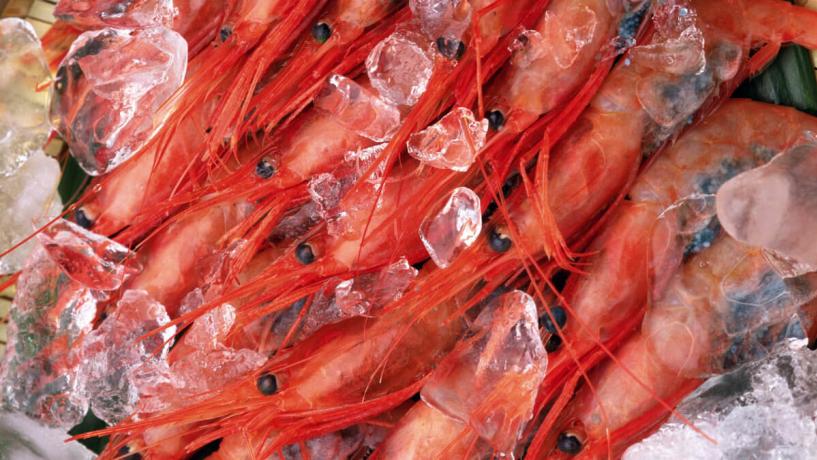
Many people wrongly think that if food is frozen, there’s no risk of winding up with food poisoning as a result. However, nothing could be further from the truth.

Proper food safety practices are important to observe in any setting, but it’s important to realise that frozen foods should be included in that equation as well. 

Food poisoning doesn’t just come from freshly prepared items. Understanding and observing the rules of safe food preparation and storage is even more important for people who fall into high risk categories when it comes to the strength of their immune systems. People with chronic illnesses need to be extra careful, as do elderly folks, young children, and pregnant women.

## Meat

Meat that has been frozen should be treated with as much care as meat that hasn’t been, as it’s a breeding ground for bacteria. It should be thoroughly cooked to kill off organisms. All meat products should also be defrosted in the fridge, not the counter or in the sink, as this gives the outside layer of the food a chance to heat up and breed pathogens.

## Eggs and Dairy

Eggs and dairy can be frozen and thawed, but only with consideration to how freezing affects those foods. Nutritional value can be compromised and textures in regards to items like cheese can be affected. Eggs can be frozen so long as they’re not in their shells, as they will break. Never refreeze dairy products or eggs once they’ve been thawed.

## Produce

Produce generally freezes well and retains its nutritional value once thawed. However, it’s important to note that texture and flavour can be affected if they are refrozen.

No matter what the food in question happens to be, it should never be used if any signs of spoilage are observable. Colour, smell, and texture should all be normal.


![For Students](https://blog.foodsafety.com.au/hubfs/afs/menu/accounts1.jpg)

## For Students

Taking an AIFS course? If you are enrolled in a course, log in here to:

- start the course or continue your progress
- complete your final submission
- check your assessment status

[Student Login](https://my.foodsafety.com.au/customer/account/login/)

![For Business](https://blog.foodsafety.com.au/hubfs/afs/menu/accounts2.jpg)

## For Business

If you have a Business Account with us, log in here to:

- enrol your staff in a food safety course
- access reports and invoices
- view your order history

[Business Login](https://my.foodsafety.com.au/customer/account/login/)

![For Members](https://blog.foodsafety.com.au/hubfs/afs/menu/accounts4.jpg)

## For Members

Members get unlimited access to our Resource Library. Log in here to:

- access 'how-to' guides and videos
- download custom forms, fact sheets and checklists
- search our food recall feed

[Member Login](https://resources.foodsafety.com.au/user/login)

Cancel

Need help? [Contact us](https://www.foodsafety.com.au/contact)

```json
{
  "@context" : "https://schema.org",
  "@type" : "BlogPosting",
  "author" : {
    "@type" : "Person",
    "name" : "Australian Institute of Food Safety",
    "url" : "https://blog.foodsafety.com.au/author/australian-institute-of-food-safety"
  },
  "dateModified" : "2024-11-28T17:03:48.905Z",
  "datePublished" : "2012-12-01T05:00:00.000Z",
  "headline" : "Frozen Food Safety: Avoid Sickness with These Practices",
  "image" : [ "https://blog.foodsafety.com.au/hubfs/Imported_Blog_Media/Safe_Frozen_Food_Practices__How_to_Avoid_Getting_Sick-2.jpg" ],
  "mainEntityOfPage" : {
    "@id" : "https://blog.foodsafety.com.au/safe-frozen-food-practices-how-to-avoid-getting-sick",
    "@type" : "WebPage"
  },
  "publisher" : {
    "@type" : "Organization",
    "logo" : {
      "@type" : "ImageObject",
      "url" : "https://blog.foodsafety.com.au/hubfs/afs/logos/afs-logo-horizontal-stack-green.svg"
    },
    "name" : "Moncel"
  }
}
```